Ireland — Wealth, Maturity and the End of Old Alibis
From memory to modernity, Ireland has changed faster than its political self-image. Historically Ireland’s neutrality, tax strategy and cautious approach to trade with Russia were shaped by the experience of poverty, insecurity and dependence. They are no longer automatically illegitimate, but they have become inadequate as explanations for the conduct of a wealthy, secure and influential EU member. The challenge now is for Ireland to replace the politics of historical vulnerability with a clearer acceptance of responsibility.
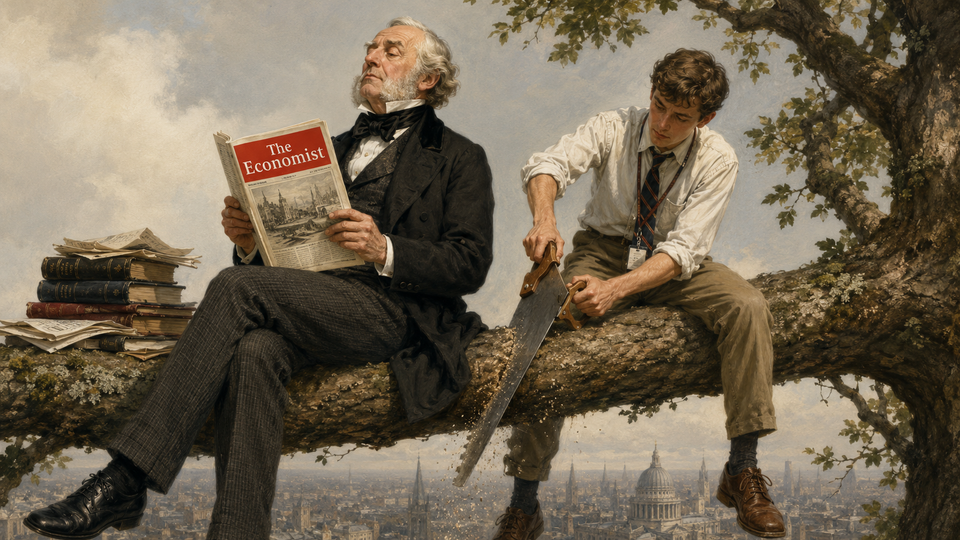
The Aughinish Alumina story [The Economist, Oct 1] has reawakened an unease in me, already considerable after the Apple tax case and Ireland’s continuing attachment to neutrality. In each case, old justifications are offered which were formed when Ireland was poor, small and insecure. Now they sit increasingly uncomfortably with the reality of a wealthy, stable and deeply integrated member of the European Union.
The difficulty is not that those arguments were always wrong. Quite the opposite. Neutrality had understandable origins in a young state with a difficult relationship with Britain. Low corporate taxation helped drive a remarkable economic transformation. Small-state caution was rational in a country long accustomed to being economically and politically vulnerable. The time has come, however, to stop leaning so heavily on historical explanations that no longer fit present realities.
Ireland in 2026 has become the envy of many larger countries. The reality is that the country benefits from the security, markets and political stability of a much wider European system. In each of three areas — neutrality, tax and diplomatic sanctions — Ireland continues to claim a degree of exceptionalism.
Defence capability remains unusually weak, leaving an awkward gap between the principle of neutrality and the reality that others bear much of the cost of protecting the wider strategic environment on which Ireland depends. This need not mean simply building a larger conventional army or abandoning neutrality. A wealthy, technologically sophisticated island state could make serious specialist contributions in areas such as cyber defence, maritime and subsea surveillance, intelligence and autonomous naval systems. The issue is less the form of the contribution than the willingness to make one commensurate with Ireland’s present strength and dependence on wider European security.
Taxation has reached a similar point. Ireland’s development strategy should not be caricatured as simple tax avoidance, but the Apple case was still troubling: a rich EU state spent years resisting the recovery of roughly €13bn from one of the world’s wealthiest companies, and ultimately lost. Whatever the legal arguments, that sat badly with the idea of solidarity among member states.
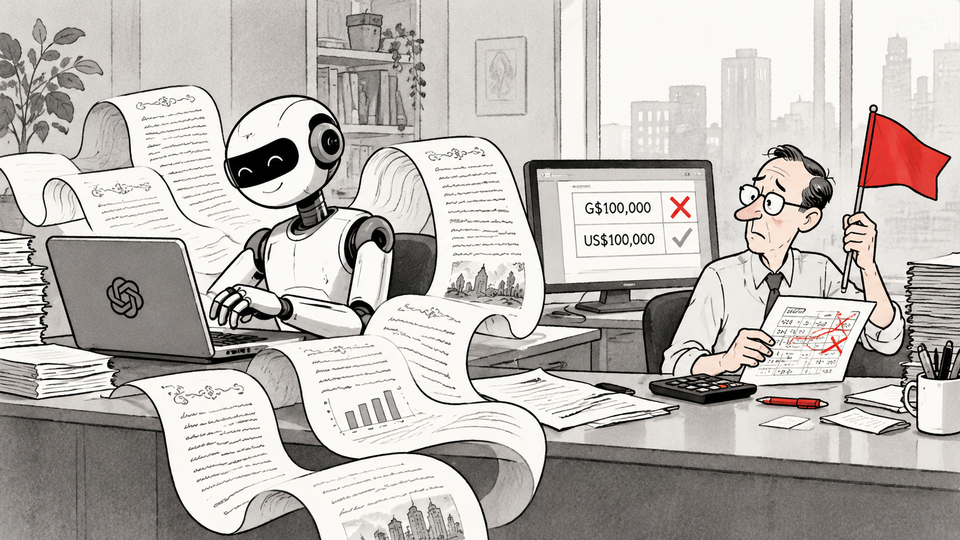
The Aughinish case sharpens the contradiction. Large quantities of alumina have continued to be exported from Ireland to Russia while Ireland strongly supports Ukraine, accepts refugees and condemns Russian aggression. There is no established evidence that Irish-produced alumina itself ends up in Russian weapons, and that distinction matters. Even so, reliance on legality as a sufficient defence feels thin beside the broader political position.
Most states exploit advantages and defend national interests. Ireland will do the same, but it no longer needs to act like the clever poor relation finding ways around rules written by richer neighbours. Habits formed under genuine weakness have survived into prosperity: smallness becomes exemption, neutrality becomes under-contribution, tax competition shades into free-riding, and cleverness risks becoming an excuse for avoiding obligations that present-day Ireland is now fully capable of carrying.
The discomfort lies less in any one of these choices than in the persistence of an old national self-image after the material conditions that sustained it have largely disappeared. The next stage of Ireland’s development may therefore be less economic than psychological: accepting the responsibilities that come with wealth, cooperating from a position of strength rather than vulnerability, and embracing a national self-image that reflects what Ireland has become rather than what it once was.