"The Economist" and Elegant Self Sabotage

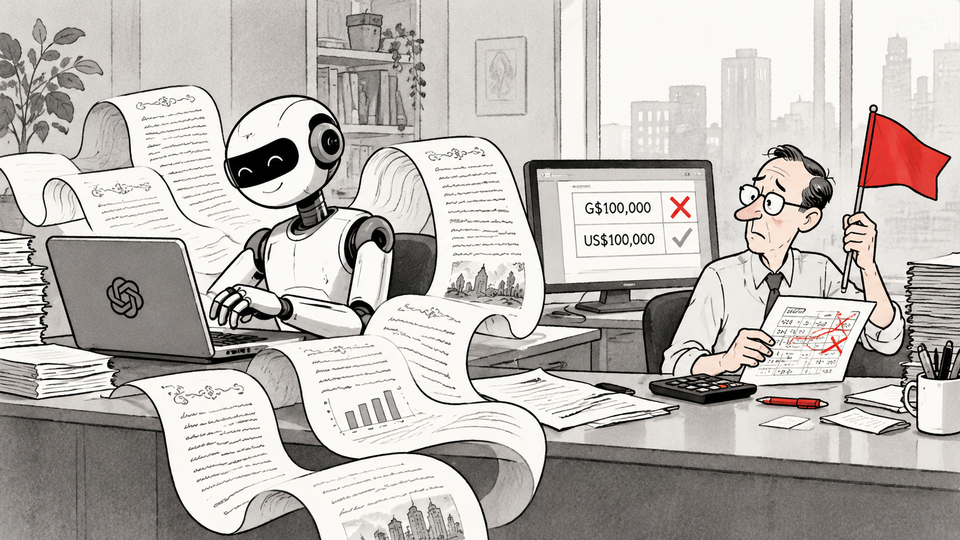
This week’s Economist has managed the remarkable feat of assassinating its golden boy and undermining the whole discipline in the same article. Was the editor on holiday and the summer intern left in charge?
The target is Daron Acemoglu: Nobel laureate, MIT professor, citation machine and allegedly by the magazine itself, the most influential economist alive. The case is made with characteristic, Gentlemen’s Club restraint. His celebrated work on institutions rests on evidence that has been heavily challenged; some of his grand explanations risk
becoming circular; his public commentary can be pedestrian; his pessimism about
technology looks selective; and his recent estimate of AI’s economic impact somewhat
trite. The article is careful to concede brilliance, seriousness and scholarly value throughout. The point is not that Acemoglu is a charlatan, but more carefully, that the immense intellectual authority attached to him may exceed what the work can comfortably bear.
I read this and all the while my mind was substituting “economics” for “Acemoglu” and feeling like this was the elegantly written critique of Economics I wish I had written.
The same discipline that has taught generations to distrust simple causal stories has repeatedly produced them in disguised in elaborate mathematical dress. It has built formidable techniques for dealing with uncertainty, only to reward those who appear to
have reduced uncertainty to glib observations. It knows better than almost any
other field that incentives matter, that people adapt, that historical relationships break, and that elegant models are necessarily incomplete representations of a world too complex to sit obediently inside them. Yet prestige still flows towards the decisive result, the clean model, the striking forecast and the confident policy conclusion — producing stars and, more absurdly still, the vicious factionalism of opposing “schools”
The article almost makes the point for us. Acemoglu’s recent work on fertility and growth carries the perfectly reasonable warning that historical relationships may tell us little about an unprecedented future. The Economist notes that this gets lost beside the “reams of maths”. Really? How atypical for economics: uncertainty in the small print, authority in the presentation.
More awkwardly still, Acemoglu’s great subject is institutions and incentives. Yet his own prominence is treated as though it fell from the sky. Economics built the system that produced him: journals, citations, prizes, policy access, media attention and the elevation of prolific, mathematically formidable generalists into intellectual stars. He is not an aberration. He is a highly successful product of the institution now examining him.
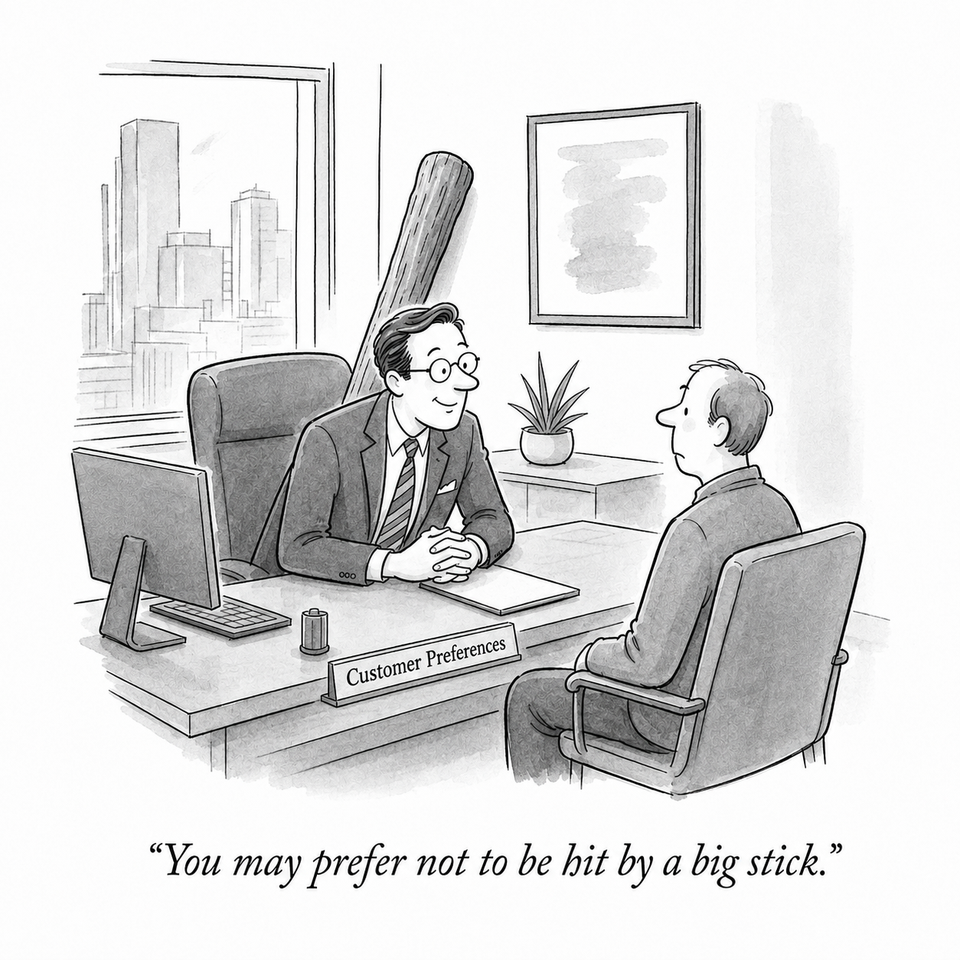
Hence the splendid self-inflicted wound. The Economist questions whether its golden boy quite merits the authority bestowed upon him while simultaneously describing how that authority was contrived. And it does so magnificently. This is no tabloid mugging. Economists need “a few drinks” or “Dutch courage” before expressing doubts; a troublesome grandee is shown discreetly into the library and informed that questions have been raised. The problem is that The Economist is sitting in the same club. Its polished assassination begins to resemble a rather elegant family confession.
Economics should have been unusually resistant to all this. It understands incentives, institutional capture, uncertainty, second-order effects and the limits of prediction better than almost any discipline. Its natural role was to remind the rest of us how little can be known with certainty in a probabilistic, adaptive world.
For whatever reason, summer madness perhaps? The Economist instead decided to take down its golden boy by poisoning, then proceeding to consume the venom itself and offering it around to the rest of us. Thank you for this excellent entertainment.